The Benefits of Laminate Flooring Installation
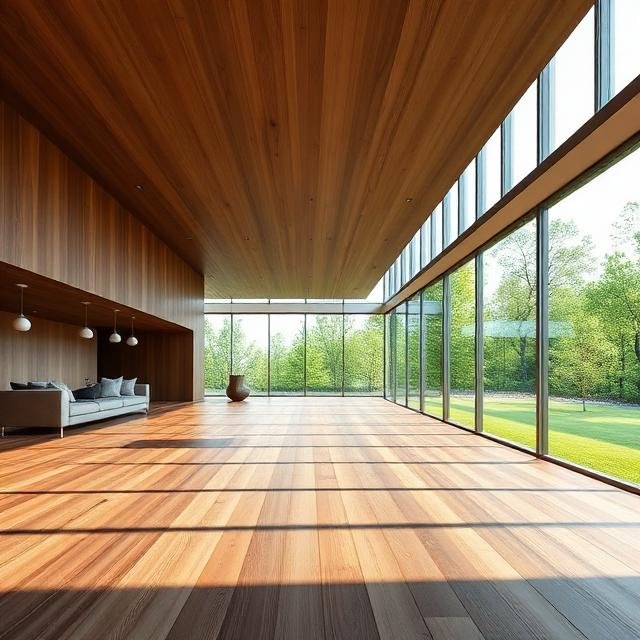
Laminate flooring is a versatile and cost-effective flooring solution that has gained immense popularity in both residential and commercial spaces. Its appeal lies in its ability to mimic the appearance of traditional hardwood and stone flooring, providing an aesthetically pleasing option without the high costs associated with these materials. Comprised of multiple layers, laminate flooring typically features a photographic layer that captures the look of natural wood or stone, a core layer for durability, and a backing layer that adds stability and moisture resistance.
The manufacturing process of laminate flooring involves several steps, including pressing together the various layers under high pressure and heat to create a sturdy final product. This engineered nature makes laminate floorings resistant to scratches, stains, and fading, contributing to its prominence as a preferred alternative to traditional flooring options such as hardwood, tile, or carpet.
Over the years, laminate flooring has become especially popular among homeowners and business owners for its easy installation process. Many types can be installed using a floating method, which doesn’t require glue or nails, allowing for quicker projects and minimal disruption. Additionally, the selection of styles, colors, and textures available in laminate flooring means that customers can find a product that perfectly complements their existing décor.
In summary, the unique composition and manufacturing techniques utilized in laminate flooring contribute to its growing popularity. Its attractive aesthetic, coupled with its durability and ease of installation, positions laminate flooring as a leading choice in the marketplace for those seeking a blend of practicality and style in their flooring solutions.
Cost-Effectiveness and Affordability
When considering flooring options, cost-effectiveness is often a primary concern for homeowners. Laminate flooring stands out as a favorable choice due to its affordability compared to traditional hardwood, tile, and carpet options. The initial cost of laminate flooring is considerably lower, making it accessible for a wider range of budgets. The price per square foot for laminate often ranges significantly lower than that of solid or engineered hardwood, leading to substantial savings from the outset.
Beyond initial purchase price, installation costs for laminate flooring tend to be more economical as well. The less complicated installation process allows for quicker setups, often without the need for professional installers, which can further reduce expenses. Many homeowners find that they can successfully install laminate flooring themselves, eliminating labor costs. In contrast, hardwood floors typically require expert installation due to their complexity and the need for precise fitting.
Long-term savings also play a critical role in considering laminate flooring as a financially sound investment. This type of flooring is designed for enhanced durability and resistance to scratches, dents, and stains. Consequently, homeowners are likely to incur lower maintenance costs over time. Unlike carpet, which necessitates regular cleaning and occasional replacement due to wear and tear, laminate requires minimal upkeep—it can simply be swept or mopped to maintain its appearance.
Additionally, laminate flooring does not require refinishing, a process often necessary for hardwood floors after several years of use. Therefore, the long-term financial advantages of choosing laminate flooring contribute significantly to its status as an appealing option for consumers seeking both quality and budget-friendliness.
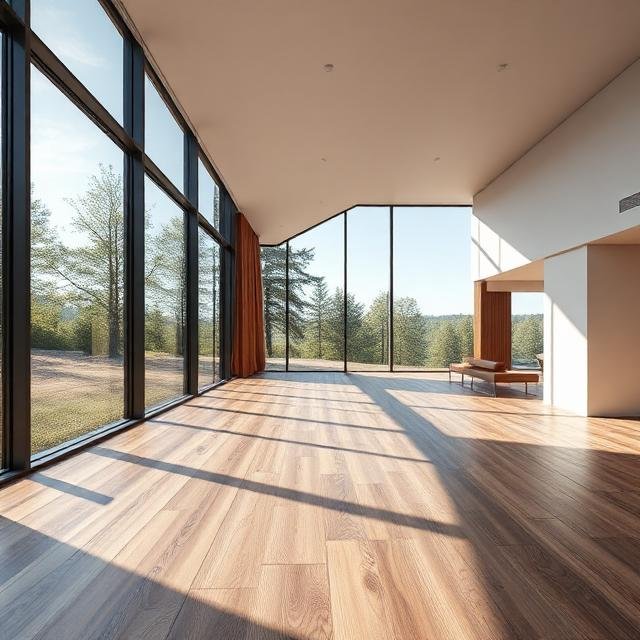
Durability and Maintenance Benefits
Laminate flooring is widely recognized for its impressive durability, making it an ideal choice for both residential and commercial environments. Engineered with multiple layers, high-quality laminate can withstand significant wear and tear, ensuring that it continues to look pristine over an extended period. This flooring option is particularly resilient against scratches and dents, which is vital in high-traffic areas where furniture may be moved regularly or where pets might play.
One of the most noteworthy aspects of laminate flooring is its resistance to moisture, which sets it apart from traditional hardwood options. While it is true that prolonged exposure to water can cause damage, laminate floors are designed to handle occasional spills and high humidity levels without warping or degrading. This quality offers homeowners peace of mind, particularly in kitchens and bathrooms where moisture levels can vary.
Maintenance of laminate flooring is remarkably straightforward, contributing to its overall appeal. Regular sweeping or vacuuming is typically sufficient to remove dirt and debris, preserving the floor’s finish and sheen. For more thorough cleaning, a damp mop can be employed with a gentle cleaner specifically formulated for laminate surfaces. It is crucial to avoid excessive water exposure during this process. Additionally, laminate is less prone to staining compared to other flooring materials; this ease of upkeep helps maintain its aesthetic appeal over time.
In summary, choosing laminate flooring can significantly enhance the durability of your living spaces. The combination of its wear-resistant surface, moisture handling capabilities, and uncomplicated maintenance routines not only ensures longevity but also keeps your floors looking new for years to come.
Aesthetic Versatility and Design Choices
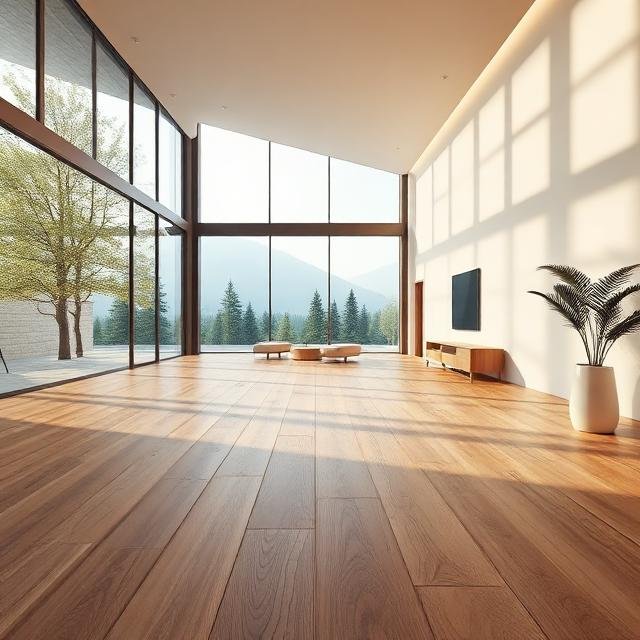
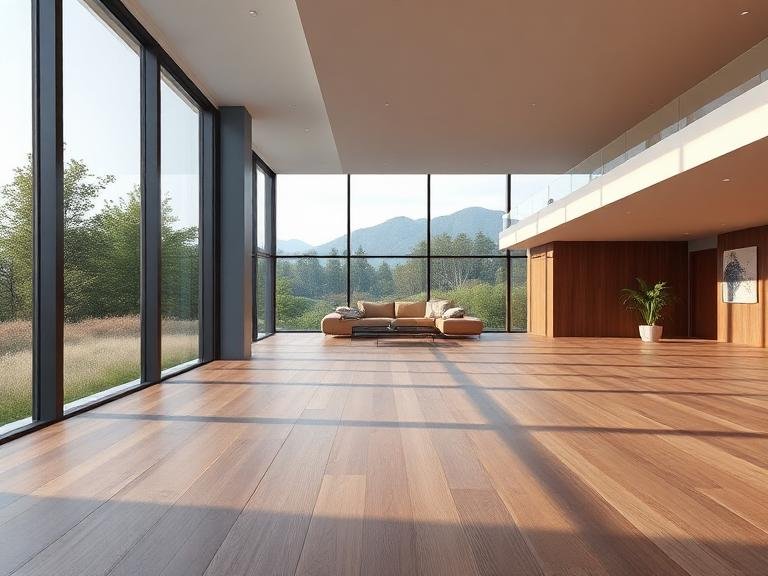
Laminate flooring is renowned for its aesthetic versatility, offering homeowners a wide range of styles, colors, and finishes to suit almost any decor preference. One of the most appealing aspects of laminate flooring is its ability to mimic natural materials such as wood and stone, providing the luxurious appearance of these materials without the associated high costs or maintenance. Modern laminate options can convincingly replicate the textures and grain patterns of hardwood, from rich oaks to the rustic charm of reclaimed wood.
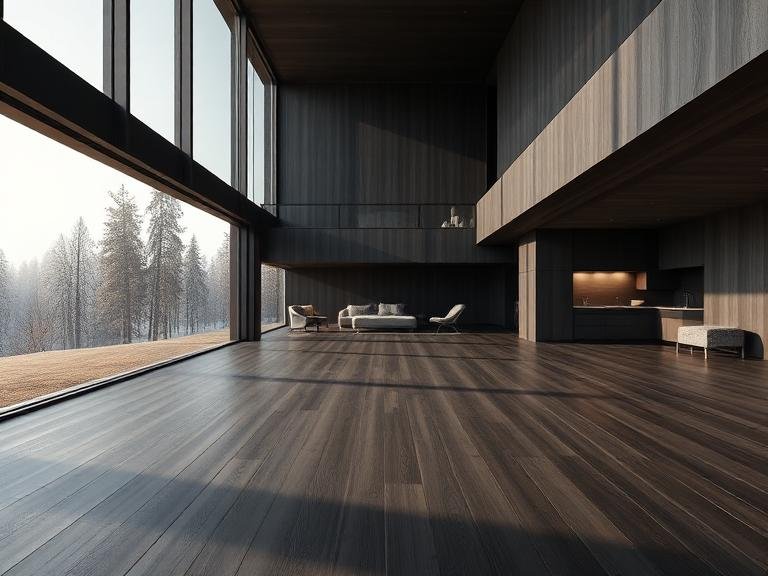
Homeowners can choose from a plethora of plank sizes, colors, and surface finishes, enabling them to customize their spaces according to their individual tastes. For instance, the chic and polished look of glossy laminate can enhance contemporary interior designs, while matte finishes can contribute to a more traditional or rustic aesthetic. With advancements in printing technology, laminate flooring now offers an impressive selection of designs, from distressed wood effects to sleek, modern tiles that resemble natural stone.
Moreover, the variety in laminate flooring also extends to its thickness and texture. Thicker planks can provide a more authentic feel underfoot, while textured surfaces—such as hand-scraped or embossed looks—add depth and dimension to the flooring’s appearance. This level of customization allows homeowners to create cohesive looks throughout their living spaces, whether they desire an airy and minimalist atmosphere or a warm and inviting retreat.
Additionally, the resilience and durability of laminate flooring mean that aesthetic choices are not compromised by performance. Homeowners can achieve their desired style while enjoying the benefits of a floor that stands up well to everyday wear and tear. Overall, laminate flooring stands as a versatile and budget-friendly alternative in the world of interior design, effectively meeting the diverse aesthetic needs of today’s homeowners.