Understanding Laminate Flooring: What it is and Why it’s Gaining Popularity
Laminate flooring is a synthetic flooring option designed to imitate the appearance of wood, stone, or other natural materials. Its construction comprises multiple layers that contribute to its durability, aesthetic appeal, and easy installation. The main components of laminate flooring include a wear layer, design layer, core layer, and backing layer, working together to create a resilient and versatile flooring solution that is becoming increasingly popular among homeowners and builders alike.
The wear layer is the topmost component, made of a clear, protective material that guards against scratches, stains, and fading. This layer is crucial for maintaining the visual appeal of laminate flooring, making it a practical choice for high-traffic areas and homes with pets or children. Beneath this protective layer lies the design layer, which features a high-resolution photographic image of natural materials such as hardwood or tile. This layer can replicate the look of various finishes and textures, offering numerous aesthetic options to suit diverse styles.
The core layer, made from high-density fiberboard (HDF) or particleboard, provides stability and structure to the flooring. It also contributes to the laminate’s sound insulation properties, making it quieter underfoot compared to other flooring options. Finally, the backing layer serves as a moisture barrier, preventing water damage and enhancing the longevity of the flooring.
Unlike traditional hardwood floors, laminate flooring does not require sanding, refinishing, or special cleaning products, making it an affordable and low-maintenance alternative. With its combination of durability, scratch resistance, and visual appeal, laminate flooring is quickly gaining traction in residential and commercial spaces as a sought-after choice for modern flooring needs.
The Benefits of Laminate Flooring
Laminate flooring has gained immense popularity in residential and commercial spaces due to its numerous advantages. One of the key benefits of laminate flooring is its affordability. Compared to traditional hardwood or stone flooring, laminate provides a similar aesthetic appeal at a fraction of the cost, making it an attractive choice for budget-conscious consumers.
Another significant advantage is the ease of installation. Most laminate flooring products come with a click-lock system, allowing for straightforward assembly without the need for professional help. This is particularly beneficial for DIY enthusiasts and homeowners looking to undertake their flooring projects. With minimal tools required, laminate can typically be installed over most existing floors, further simplifying the process.
Maintenance is another area where laminate flooring excels. Unlike natural wood or stone floors, laminate is resistant to stains, scratches, and moisture, resulting in a surface that is easy to clean and maintain over time. Regular sweeping and occasional mopping with a damp cloth are usually sufficient to keep laminate floors looking pristine.
The variety of styles and finishes offered by laminate flooring is also noteworthy. It can convincingly mimic the appearance of real wood, stone, or tiles, allowing homeowners to achieve their desired aesthetic without sacrificing durability or spending excessively. This range of designs makes it a versatile option suitable for various interior themes.
Furthermore, laminate flooring is considered eco-friendly. Many manufacturers utilize recycled materials and adhere to sustainable practices throughout the production process. The durability of laminate also contributes to its environmental benefits, as it withstands wear and tear, reducing the need for frequent replacements.
In high-traffic areas, laminate flooring showcases its impressive resilience, proving to be an ideal option for homes with children or pets. Overall, the combination of affordability, ease of installation and maintenance, aesthetic versatility, eco-friendliness, and durability positions laminate flooring as a popular choice for many consumers.
Popular Uses and Applications of Laminate Flooring
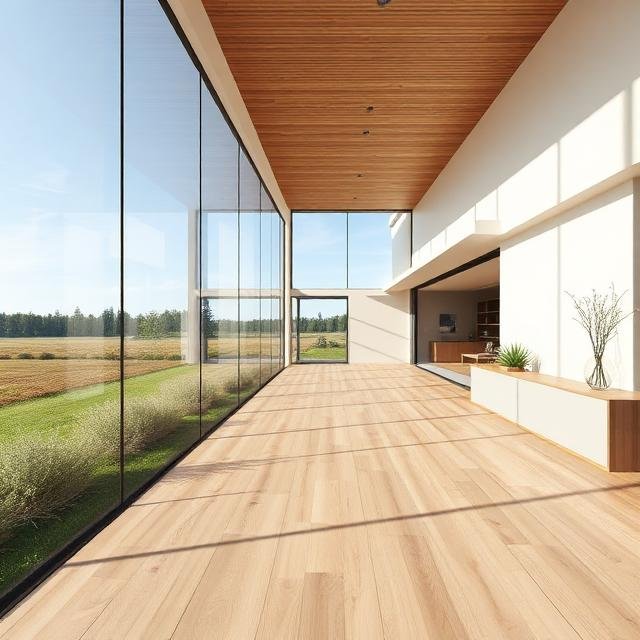
Laminate flooring has seen a significant rise in popularity across various sectors, thanks in part to its versatility and aesthetic appeal. It is widely utilized in residential homes, where homeowners often seek a durable and stylish flooring option that can withstand daily wear and tear. Rooms such as living rooms and kitchens benefit from laminate flooring’s ability to mimic natural materials, offering a selection of designs that range from classic hardwood to contemporary tile finishes.
Moreover, the ease of installation and maintenance makes laminate flooring an appealing choice for rental properties. Landlords often favor this type of flooring, as it can enhance the property’s appearance without incurring high remodeling costs. Additionally, its resistance to scratches, stains, and moisture also positions laminate as a practical flooring solution that can appeal to potential tenants.
In commercial spaces, laminate flooring is increasingly adopted due to its functionality and stylish looks. Offices, retail stores, and restaurants often opt for laminate because it can handle high foot traffic while maintaining an attractive aesthetic. This flooring solution allows businesses to create a welcoming environment that mirrors their brand image, making it a popular choice in multi-purpose commercial design.
The latest design trends in laminate flooring also reflect its adaptability, with options that include a range of textures, colors, and finishes. These trends have led to an increased interest among both homeowners and designers, who appreciate how laminate flooring can contribute to various aesthetic objectives while fulfilling functional requirements. Overall, the diverse uses and applications of laminate flooring highlight its growing role as an essential element in modern interior design.
Maintenance and Care Tips for Laminate Flooring
To ensure the longevity and aesthetic appeal of laminate flooring, proper maintenance and care are essential. Regular cleaning is the first and foremost step to keep your laminate floors looking pristine. Sweeping or vacuuming daily helps remove dirt, dust, and debris that can scratch the surface. For deeper cleaning, it is advisable to use a damp mop with a laminate floor cleaner that is specifically formulated for this material. Avoid using excessive water or steam mops, as they can cause swelling or warping.
Using the right cleaning products is crucial in maintaining laminate flooring. It is best to avoid harsh chemicals and abrasive cleaners that can damage the surface. Look for pH-neutral cleaners designed for laminate surfaces to prevent any deterioration. Additionally, always check the manufacturer’s recommendations to ensure you are using compatible products.
Preventing scratches and dents is another vital aspect of laminate floor care. Placing felt pads under furniture legs can significantly reduce the risk of scratch marks. It is also advisable to avoid dragging heavy items across the floor. When moving furniture, lift and carry it instead. Furthermore, consider using area rugs in high-traffic zones or under dining tables to protect the flooring from wear and tear.
For long-term care, addressing spills immediately is important. Wipe up any liquid spills promptly to prevent moisture damage. In areas prone to moisture, such as kitchens and bathrooms, consider applying a barrier sealant. Regular inspections for signs of damage, such as chipping or lifting, can help identify issues before they require significant repair.
By following these maintenance and care tips, homeowners can effectively enhance the appearance and durability of their laminate flooring, ensuring it remains a beautiful part of their home for years to come.