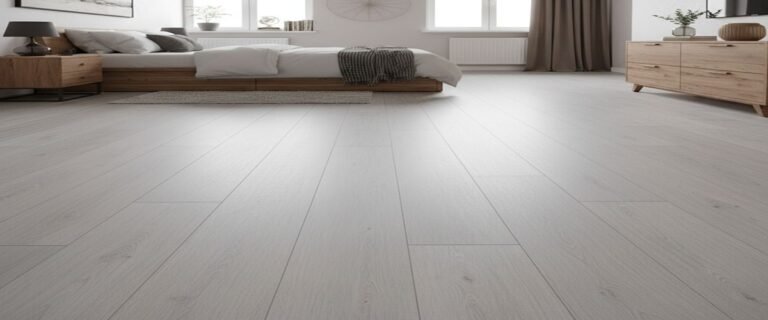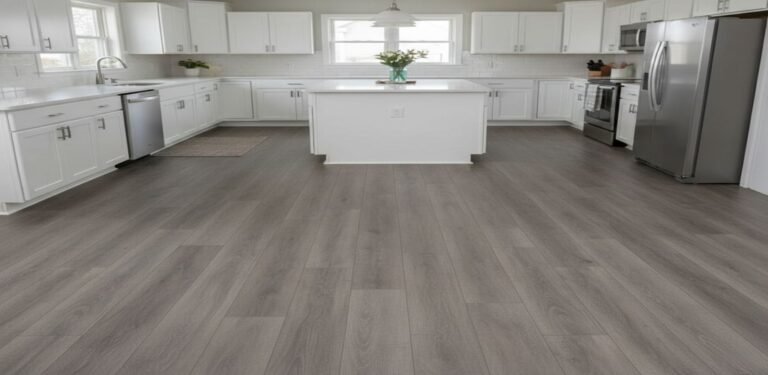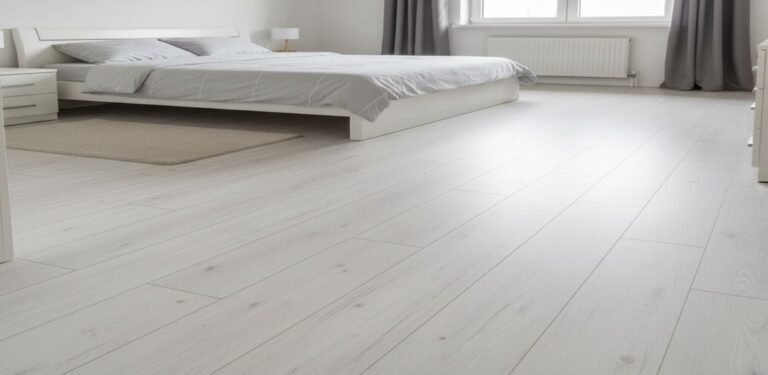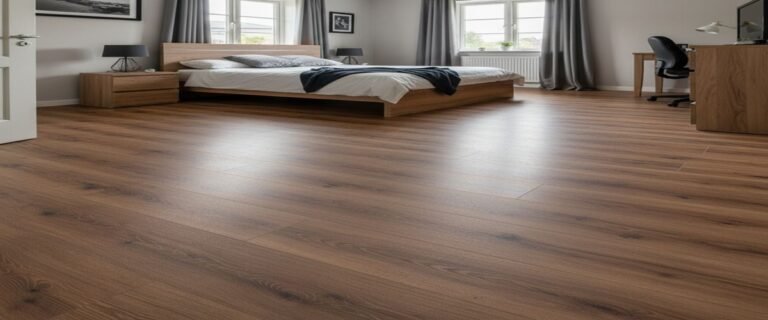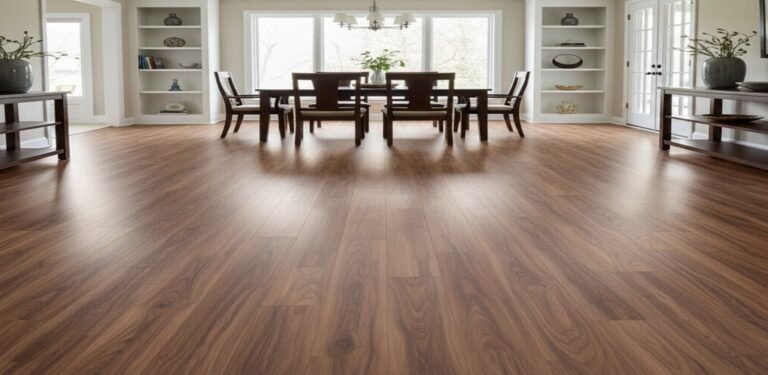
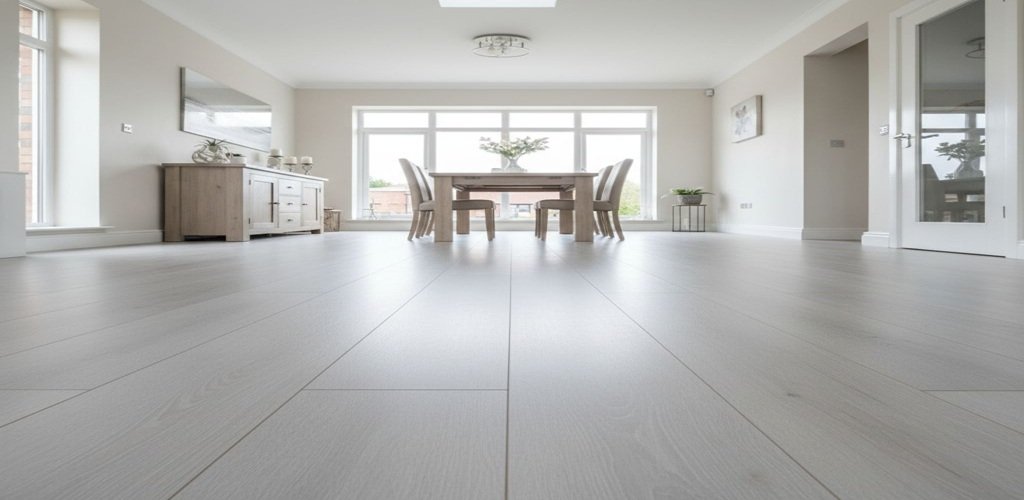
Laminate flooring is a popular choice in many homes due to its attractive appearance and practical properties. Composed of multiple layers, this type of flooring typically consists of a core layer made of high-density fiberboard (HDF) or particleboard, a photographic layer that simulates the look of natural wood, stone, or ceramic, and a protective wear layer on top. The wear layer is essential for enhancing durability, making laminate flooring resistant to scratches, stains, and fading, which are common concerns for homeowners.
The structure of laminate flooring allows it to withstand daily wear and tear, making it suitable for high-traffic areas in a home. Its resilience to moisture is noteworthy; while it is not entirely waterproof, high-quality laminate can tolerate small spills and moisture exposure without significant damage. This is particularly beneficial in areas such as kitchens and entryways, where spills may frequently occur.
One of the primary advantages of laminate flooring is its affordability compared to hardwood or natural stone options. Additionally, it provides an easy installation process, often featuring a click-lock system that eliminates the need for glue or nails. Maintenance is also a straightforward task, requiring only regular sweeping and occasional damp mopping to keep it looking pristine.
However, there are some drawbacks to consider. Laminate flooring can be susceptible to water damage if exposed to excessive moisture, and while it offers a variety of styles, it may not have the same authentic feel as genuine hardwood or stone. Furthermore, some lower-quality laminates may not perform as well over time, leading to concerns about longevity in certain environments. Overall, while laminate flooring has its pros and cons, it remains a practical option for many households seeking an economical and stylish flooring solution.
Exploring Vinyl Flooring
Vinyl flooring has gained considerable popularity in residential and commercial spaces due to its versatility, affordability, and practicality. Available in various formats, the two primary types of vinyl flooring are sheet vinyl and luxury vinyl tiles (LVT) or planks (LVP). Sheet vinyl is a large, continuous roll of flooring that is ideal for minimizing seams and enhancing water resistance. On the other hand, luxury vinyl tiles and planks offer a more realistic appearance, often mimicking hardwood or stone, and come in varied sizes and styles, making it a favored choice for interior design.
The composition of vinyl flooring typically includes several layers, including a protective wear layer, a design layer, and a core layer, which collectively contribute to its durability and water resistance. This makes vinyl a suitable option for areas prone to moisture, such as kitchens, bathrooms, and laundry rooms. Moreover, its inherent flexibility allows for easy installation, often requiring no adhesive or special tools, which can significantly reduce labor costs and installation time.
Another noteworthy advantage of vinyl flooring is the comfort it provides underfoot. The softer surface offers a feeling of warmth and cushioning, contributing to overall comfort, especially in high-traffic areas. Additionally, vinyl is generally easier to maintain compared to more traditional flooring options, requiring only regular sweeping and occasional wet mopping to keep it looking fresh.
However, there are some drawbacks to consider. While vinyl flooring is resistant to water, prolonged exposure can lead to warping or damage if not addressed promptly. Furthermore, some lower-quality vinyl may be more susceptible to scratching and denting. Understanding these potential limitations is crucial when determining if vinyl flooring is the right choice for your specific environment.
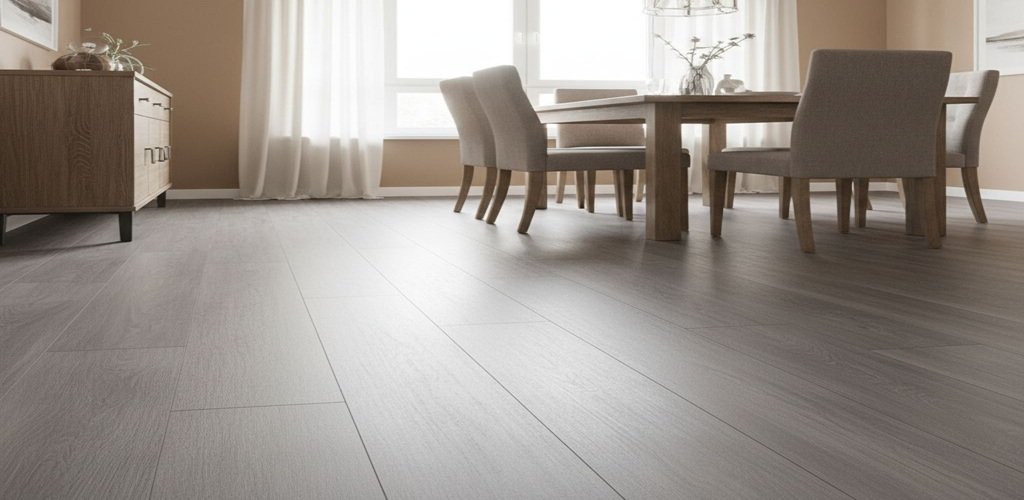
Comparative Analysis: Laminate vs. Vinyl
When considering new flooring options, homeowners often find themselves evaluating laminate and vinyl flooring side by side. Each flooring type presents unique attributes across various essential criteria such as durability, cost, installation process, and maintenance, making it vital to understand how these options perform in different settings.
Durability is a key factor in this selection process. Laminate flooring is engineered to withstand considerable foot traffic due to its multi-layer construction, featuring a hard outer layer that resists scratches and dents. This makes laminate particularly suitable for high-traffic areas such as living rooms and hallways. Conversely, vinyl flooring is equally resilient, with a waterproof surface that excels in moist environments like kitchens and bathrooms. Its ability to resist water damage gives it an edge in spaces where spills are frequent.
Cost is another significant aspect when comparing laminate and vinyl. Generally, laminate flooring is perceived as a more affordable option. While initial costs are low, it often requires an underlayment, which can add to the overall expense. Vinyl flooring, on the other hand, can also be budget-friendly but may vary depending on the quality and style chosen. Higher-end vinyl options provide enhanced durability and aesthetic appeal, which could justify a higher price point.
The installation process for both flooring types varies. Laminate usually involves a floating installation method, allowing for easier and quicker setups. However, vinyl can come in different forms, including peel-and-stick tiles and luxury vinyl planks, each offering distinct installation experiences. Homeowners may opt for one over the other based on individual comfort with DIY projects or preferences for professional installation.
Maintenance is crucial for ensuring long-term satisfaction with either flooring type. Laminate requires occasional cleaning with a dry mop or vacuum to remove dirt and dust but can be challenging to repair if damaged. Vinyl, meanwhile, is easy to maintain due to its waterproof features, requiring only regular cleaning to keep it looking new.
Making the Right Choice for Your Home
Choosing the appropriate flooring for your home is a significant decision that can greatly influence both aesthetics and functionality. When considering laminate versus vinyl flooring, it is essential to evaluate your personal preferences, lifestyle, and the specific characteristics of your living space. Begin by assessing your daily routine and the level of foot traffic in your home. For families with children or pets, durable flooring options such as laminate may provide the necessary resistance against scratches and stains, while vinyl offers excellent water resistance, making it suitable for kitchens and bathrooms.
Once you have mapped out your requirements, it is advisable to gather samples of both laminate and vinyl flooring. This hands-on approach allows you to evaluate texture, color, and patterns in relation to your existing décor. Pay attention to how each material feels underfoot, as comfort can be a crucial factor in your decision-making process. Additionally, consider the long-term implications of your choice; both flooring options generally have durable lifespans, but pricing and the potential return on investment may vary based on the quality selected and market trends.
While self-installation is tempting for many homeowners, professional installation can ensure that your flooring is fitted correctly, enhancing its longevity and appearance. Hiring professionals might involve additional costs but can save you from future hassles associated with improper installation. Finally, weigh your options against your budget and be mindful that aesthetic appeal should harmonize with practical needs, which will help you make a well-informed decision that reflects your style and meets your lifestyle needs.