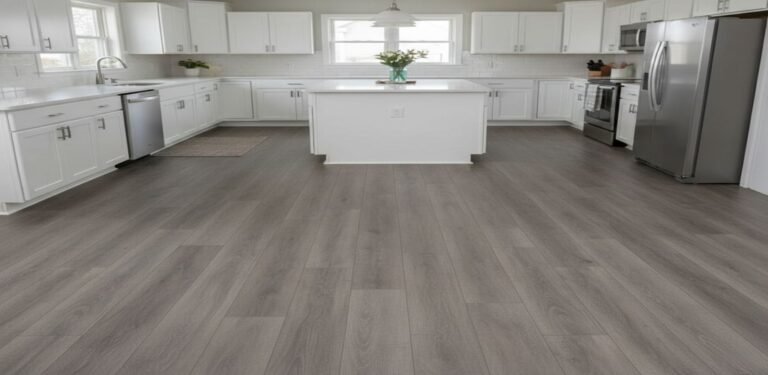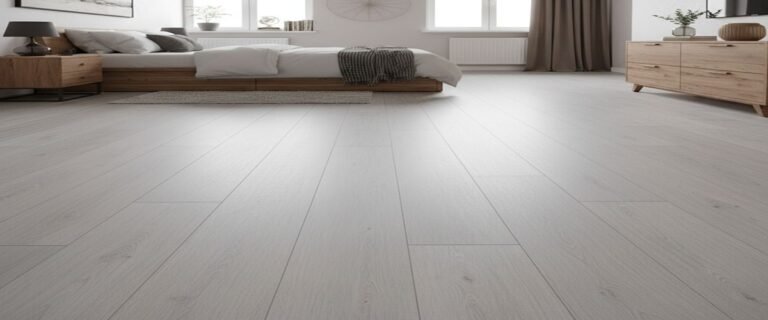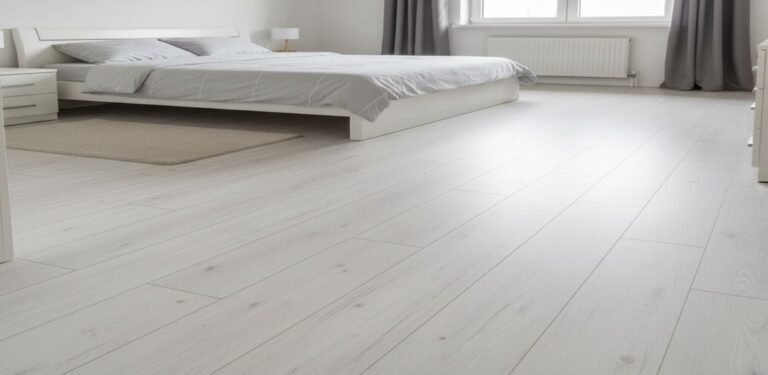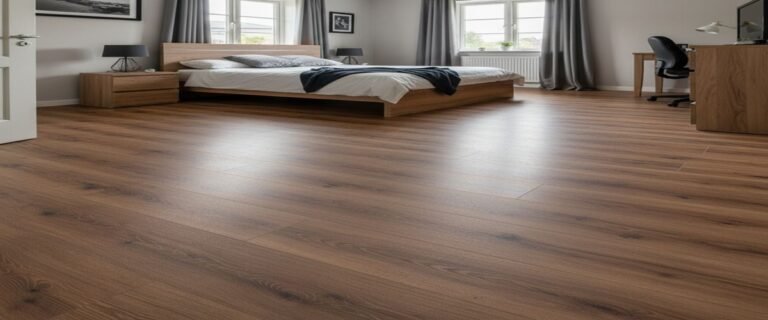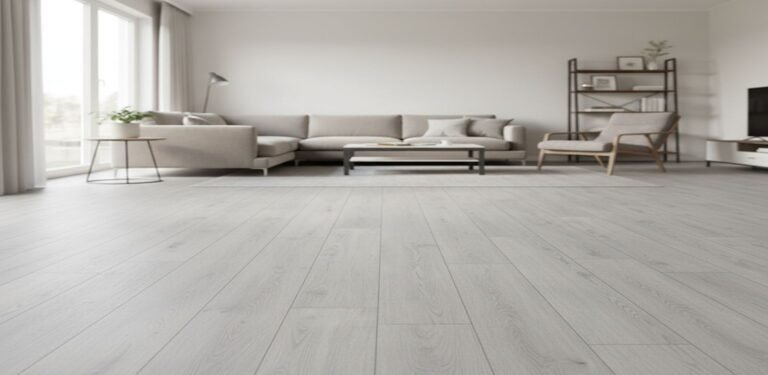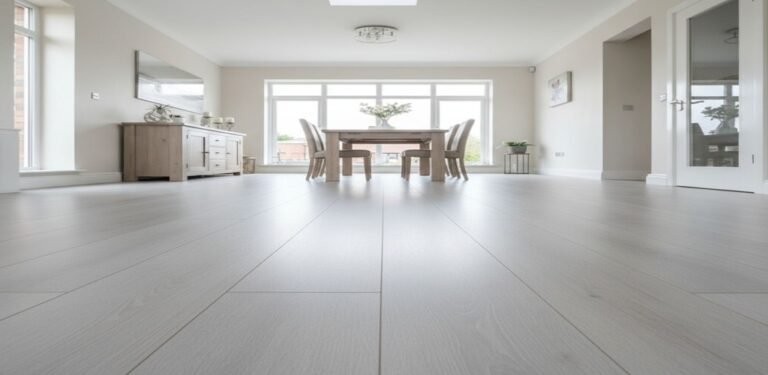
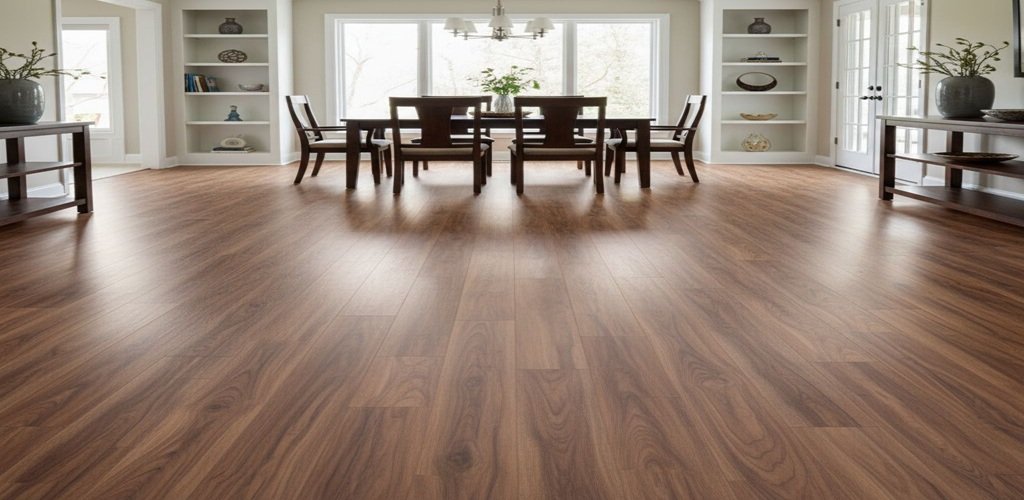
Laminate flooring is an engineered product designed to replicate the appearance of natural materials such as wood, stone, or tile, while offering superior durability and affordability. Its construction comprises multiple layers that contribute to its functionality and design aesthetic. Typically, laminate flooring consists of four primary layers: the backing layer, core layer, design layer, and wear layer.
The backing layer provides stability and moisture resistance, protecting the surface from damage due to spills or excessive humidity. Above this, the core layer is usually made from high-density fiberboard (HDF) or particleboard, which adds strength and structure, making laminate flooring less prone to warping and bending. The design layer showcases a high-resolution image of the desired finish, ensuring an authentic look that can mimic various styles.The topmost layer is the wear layer, constructed from a transparent, durable material that protects against scratches, dents, and fading, making laminate suitable for high-traffic areas.
This flooring option has gained significant popularity in Toronto, as homeowners seek cost-effective alternatives to traditional hardwood or stone flooring. The ease of installation, coupled with a wide array of design options, makes laminate an attractive choice for many. Moreover, advancements in laminate technology have resulted in products that are not only aesthetically pleasing but also highly resilient and easy to maintain. As a result, more individuals are considering laminate flooring as a practical solution for their homes, highlighting its growing significance in the Toronto housing market.
Advantages of Laminate Flooring
Laminate flooring has gained significant popularity in residential settings owing to its numerous advantages. One of the most notable benefits is its affordability when compared to traditional hardwood flooring. Homeowners can achieve the aesthetic of hardwood at a fraction of the cost, making laminate an attractive option for those on a budget.
Another compelling reason for the growing preference for laminate flooring is its durability. Laminate is designed to resist wear and tear, making it ideal for high-traffic areas in the home. The surface is typically coated with a protective layer that guards against scratches, stains, and fading, ensuring the flooring maintains its appearance over time. This resilience makes laminate flooring suitable for families with children and pets.
The installation process of laminate flooring is also straightforward, making it a favored choice among DIY enthusiasts. Laminate often comes with a click-lock installation system, which allows planks to be easily locked together without the need for glue or nails, reducing labor costs and installation time. This ease of installation can be particularly advantageous for those looking to renovate their spaces quickly.
Additionally, laminate flooring requires minimal maintenance, which appeals to many homeowners. Regular sweeping and occasional damp mopping suffice to keep the surface clean, negating the need for specialized cleaning products or services. Furthermore, laminate flooring is available in a vast array of styles and designs, allowing homeowners to select options that fit their personal aesthetic, whether they prefer a classic wood look or a more modern tile appearance. This versatility makes laminate flooring an optimal choice for a wide range of interior decors.
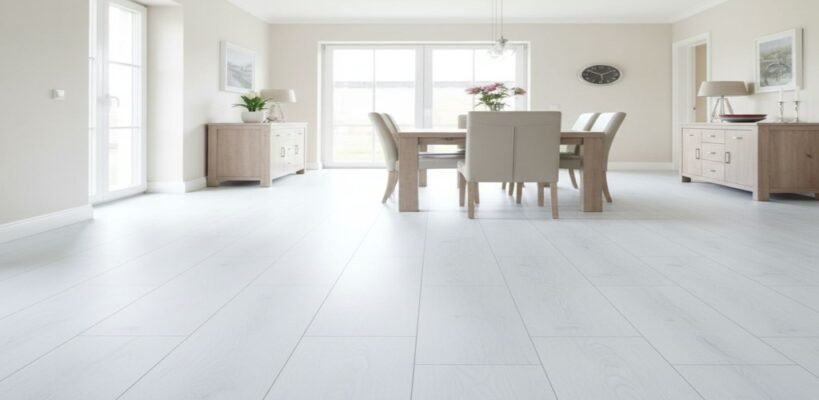
Disadvantages of Laminate Flooring
While laminate flooring is a popular choice for many homeowners in Toronto, it is essential to recognize the various disadvantages associated with this flooring option. One significant drawback is its susceptibility to moisture damage. Unlike solid hardwood or tiles, laminate flooring can warp or swell when exposed to excessive moisture or humidity. This poses a challenge in areas prone to spills or high humidity, such as kitchens and bathrooms, where laminate might not be the most advisable selection.
Another concern is the inability to refinish laminate flooring once it becomes worn down. Unlike hardwood floors that can be sanded and refinished multiple times, laminate typically has a surface layer that, once scratched or damaged, cannot be repaired or restored adequately. This limitation can lead to the need for complete replacement once the floor shows significant wear, which can be a costly endeavor.
Moreover, laminate flooring lacks the sound insulation properties found in other flooring materials, such as carpet or cork. This can result in noisier environments since impacts and footfalls can echo more prominently, making it less suitable in multi-storey homes or apartments where noise sensitivity is a concern. Additionally, some critiques are aimed towards the environmental impact of laminate flooring, which is often made from synthetic materials and may not be as eco-friendly as natural wood options.
Lastly, while laminate flooring is considered a budget-friendly option, its potential impact on property value raises questions. Many buyers prioritize natural materials, often perceiving laminate as a less desirable choice when assessing a home’s overall market value. Hence, it is crucial for prospective buyers and homeowners to weigh these considerations when contemplating laminate flooring for their residences.
Conclusion: Is Laminate Flooring Right for You?
When considering laminate flooring in Toronto, it is essential to weigh the various pros and cons. This popular flooring option often draws attention due to its affordability, aesthetic appeal, and resilience. Laminate flooring is particularly attractive for homeowners seeking a cost-effective solution that mimics the appearance of wood or stone while offering durability against scratches and stains.
However, there are notable downsides to consider. While laminate can be a budget-friendly choice, it may lack the long-term value of solid hardwood or high-quality tiles. Additionally, moisture sensitivity is a concern, especially in areas prone to high humidity or water exposure, as this can lead to warping and damage. Homeowners should also be aware that the sound produced underfoot may not be as appealing as that of other flooring types, potentially detracting from the overall ambiance of the space.
Personal lifestyle factors play a significant role in determining if laminate is the right choice for your home. Households with pets and young children may appreciate the ease of maintenance and durability of laminate, while those who prioritize natural materials may find themselves leaning towards traditional wood or tile options. Your budget will also significantly influence the decision since investing in higher-quality materials may yield better long-term satisfaction.
In light of these considerations, it is advisable for homeowners to carefully assess their unique needs and preferences before opting for laminate flooring. Taking time to evaluate lifestyle, budget constraints, and maintenance expectations can provide valuable insight. Ultimately, finding the right flooring solution will hinge on balancing practicality with personal taste, ensuring a satisfying choice for years to come.