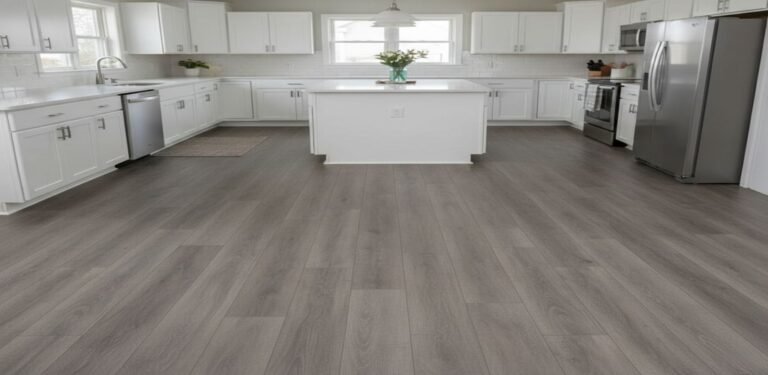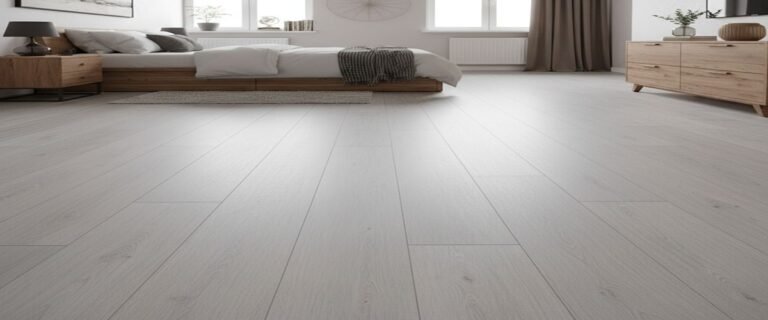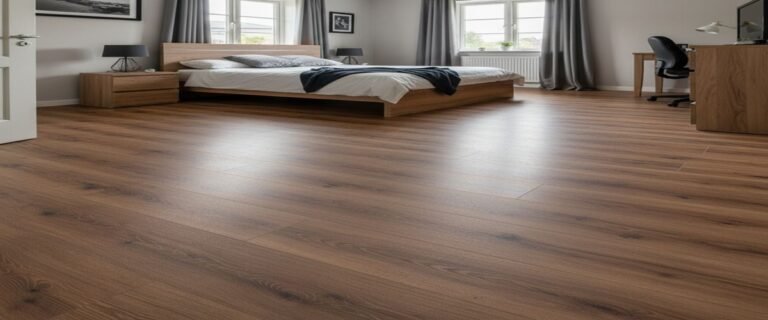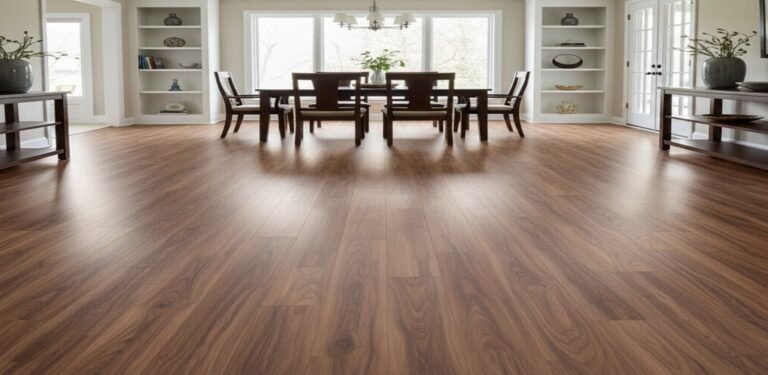
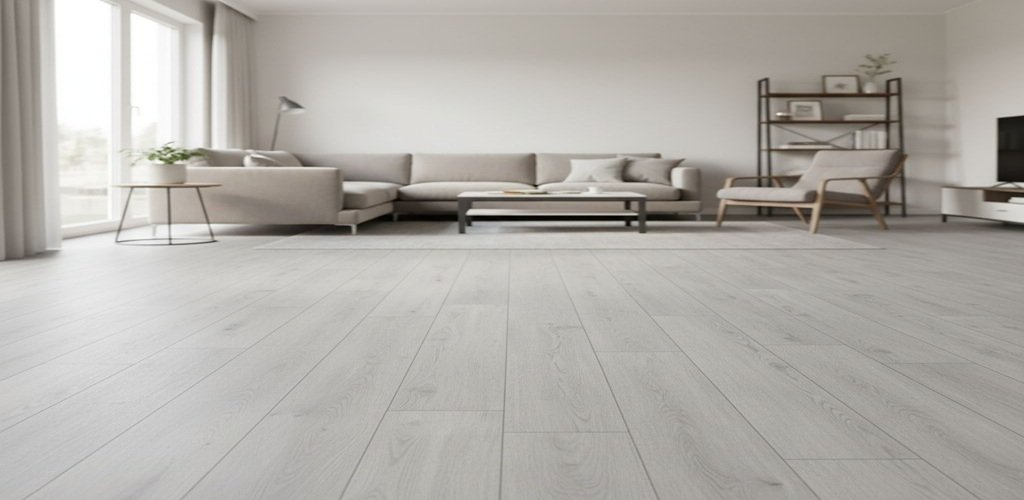
Laminate flooring is a popular choice for homeowners and builders alike, offering a versatile and cost-effective alternative to traditional hardwood flooring. Comprised of multiple layers, this type of flooring typically features a core made from high-density fiberboard (HDF) or particleboard, topped with a photographic layer that mimics the appearance of natural wood or stone. A protective melamine layer is applied on top to ensure durability and resistance to scratches, stains, and fading.
In contrast to solid hardwood and engineered wood flooring, laminate flooring does not consist of natural wood throughout its construction. Solid hardwood is made from a single piece of lumber, while engineered wood combines a veneer of real wood with various layers of plywood or particleboard. This distinction makes laminate flooring more resistant to fluctuations in temperature and humidity, making it a suitable option for diverse climates.
One of the most significant advantages of laminate flooring lies in its affordability. With the high costs associated with solid hardwood, many homeowners are turning to laminate as a budget-friendly alternative that does not compromise on aesthetics. The realistic wood-like finish of laminate floors allows for a wide range of styles, catering to various design preferences.
Ease of installation is another notable benefit. Laminate flooring often employs a click-lock system that allows planks to be installed without the need for adhesive or nails, saving time and labor costs. Furthermore, laminate flooring is generally low maintenance, requiring only routine cleaning to uphold its appearance and functionality.
Overall, laminate flooring combines aesthetic appeal with functional advantages, making it an increasingly popular option in modern interior design. Its variety of designs, affordability, and user-friendly installation process represent significant points of interest for homeowners considering new flooring solutions.
Different Types of Laminate Flooring
Laminate flooring has gained popularity in residential and commercial settings due to its affordability, durability, and aesthetic versatility. Among the various types available, the two predominant categories are high-pressure laminate (HPL) and direct-pressure laminate (DPL), each exhibiting distinct characteristics suitable for different applications.
High-pressure laminate flooring is constructed by pressing multiple layers of materials together under high heat and pressure. This process results in a robust product that is resistant to wear, scratches, and moisture, making it ideal for high-traffic areas such as offices and busy homes. HPL is renowned for its high durability and longevity, often being used in commercial environments due to its resistance to heavy foot traffic and furniture scratches.
In contrast, direct-pressure laminate flooring undergoes a more straightforward manufacturing process, where components are bonded together through lower pressure and temperature. This type of laminate is typically less expensive and easier to install but may not offer the same level of durability as HPL. DPL is often preferred for residential applications where budget constraints are a significant concern, and it is available in a wide range of colors and textures.
Beyond HPL and DPL, specialty laminate options have also emerged to cater to specific needs. Water-resistant laminate flooring, for instance, incorporates moisture-repellent technologies, making it suitable for areas prone to spills such as kitchens and bathrooms. Textured laminate flooring, on the other hand, enhances tactile and visual appeal, mimicking natural wood or stone finishes. These innovations expand the versatility of laminate flooring, accommodating various aesthetic preferences and functional requirements.
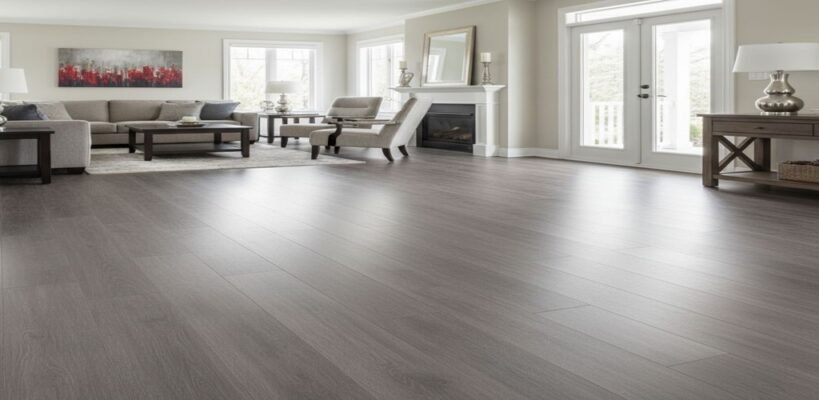
Choosing the Right Laminate Flooring for Your Home
Selecting laminate flooring for your home involves several key considerations to ensure you make an informed choice that aligns with your lifestyle and aesthetic preferences. One of the first aspects to evaluate is the suitability of laminate flooring for different rooms in your house. For instance, bathrooms and kitchens, which are prone to moisture, may require laminate specifically designed to withstand such conditions.
Another crucial factor is your style preference. Laminate flooring comes in a vast array of designs, colors, and finishes that mimic the appearance of natural materials like wood and stone. It is essential to consider how the laminate will complement your existing decor. Are you aiming for a contemporary look, or do you prefer something more traditional? By defining your style, you can narrow down your options effectively.
Moreover, maintenance requirements can significantly influence your choice of laminate flooring. While laminate is generally easy to maintain, different styles may have varying levels of durability and care instructions. For example, high-traffic areas may benefit from a thicker laminate with a robust wear layer to resist scratches and dents. It is advisable to seek products with a high abrasion class rating for better resilience.
To further ensure quality, consider assessing the laminate’s construction and core materials. A high-quality laminate typically features a dense fiberboard core for added strength. Additionally, examining the manufacturer’s warranty can provide insight into the flooring’s expected lifespan and durability.
In conclusion, choosing the right laminate flooring hinges on understanding your home’s unique needs and your personal style. By evaluating room suitability, aesthetic preferences, and maintenance requirements, you can select a product that enhances your living space and stands the test of time.
Installation and Maintenance of Laminate Flooring
Installing laminate flooring can be a straightforward process, especially for those choosing to undertake a DIY approach. Before beginning, it is important to assess the subfloor condition as it should be clean, dry, and level. Using underlayment can offer sound absorption and additional cushioning, enhancing the flooring experience. Each plank is designed to click together, allowing for a simple locking system that does not require glue or nails, making it ideal for homeowners seeking to minimize installation difficulties.
One common method for installation is the “floating floor” technique, where the laminate planks are laid over the underlayment without being attached to the subfloor. This method enables expansion and contraction as temperature and humidity change, reducing the risk of buckling. It is advisable to leave expansion gaps around the perimeter of the installation area. If the project appears too daunting, hiring a professional may be wise, especially for larger spaces or complex layouts.
Once the laminate flooring is in place, maintaining its beauty and durability is straightforward. Regular cleaning involves sweeping or vacuuming to remove dirt and debris, followed by damp mopping with a laminate-safe cleaner. Avoid excessive water, as moisture can seep into seams and cause damage over time. Additionally, using furniture pads under heavy items can prevent dents and scratches.
For protection against wear and tear, consider placing area rugs at high-traffic zones or entryways. When spills occur, it is best to promptly wipe them up to avoid moisture damage. Ultimately, with proper installation and routine maintenance, laminate flooring can provide a long-lasting, attractive surface for any space.