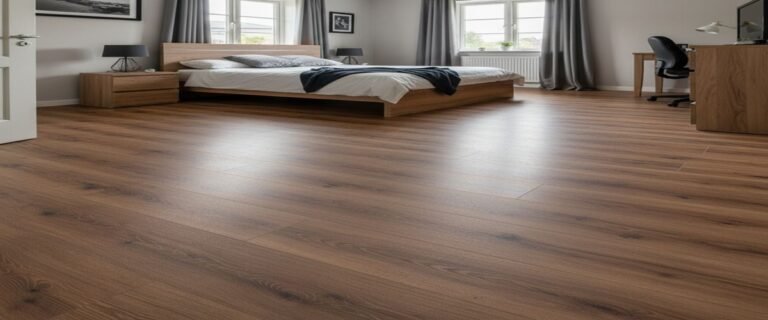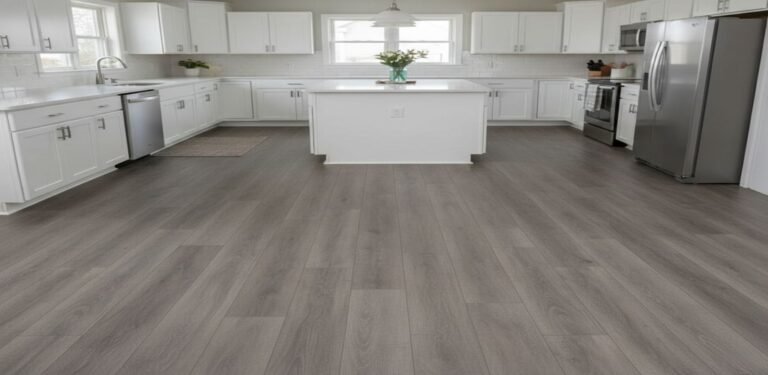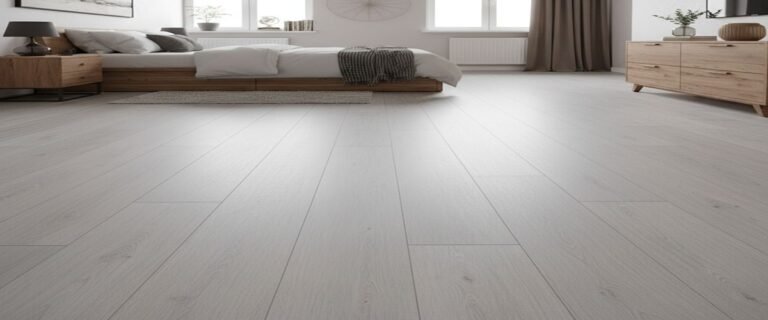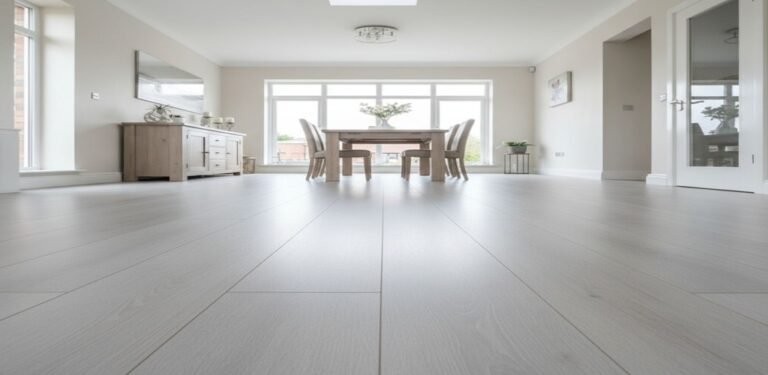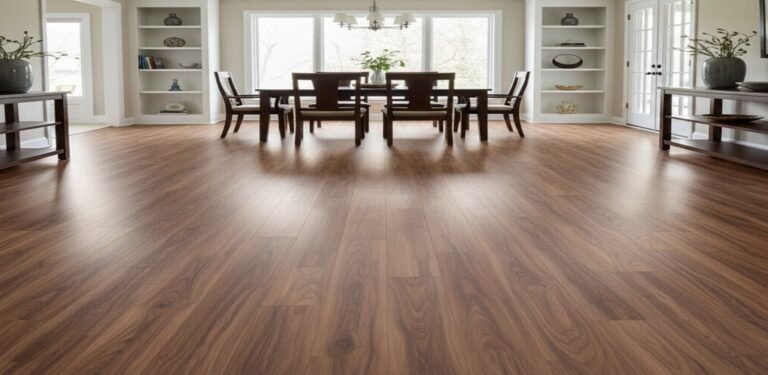
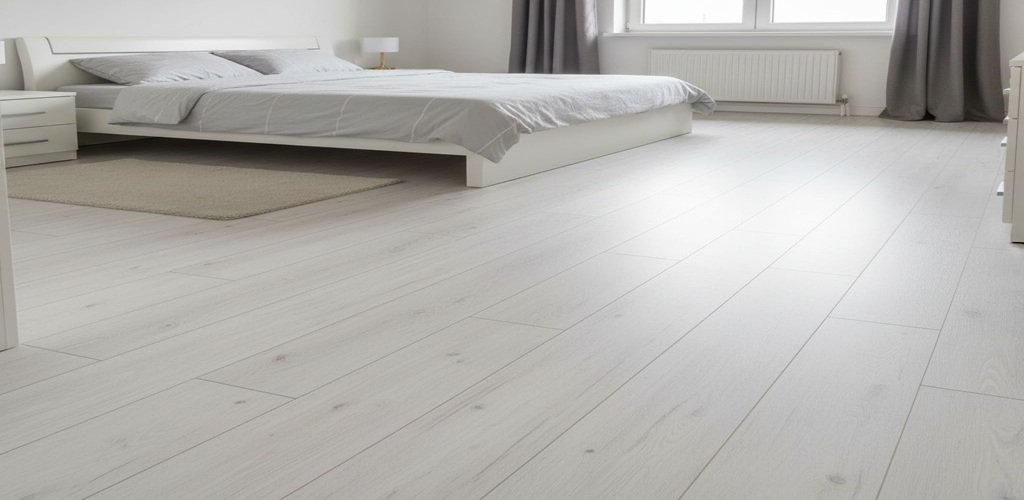
In the realm of modern home improvement, laminate and vinyl flooring have emerged as two of the most popular choices among homeowners. Both options offer distinct advantages, catering to a wide range of aesthetic preferences and practical requirements.
Laminate flooring is a multi-layer synthetic flooring product that mimics the appearance of natural materials such as wood or stone. It consists of a core layer of high-density fiberboard (HDF), topped with a photographic layer that provides the desired visual aesthetics, and a protective wear layer that enhances durability. This construction makes laminate flooring remarkably resistant to scratches, dents, and fading, a crucial feature for households with pets or high foot traffic.
On the other hand, vinyl flooring is composed of synthetic materials, primarily polyvinyl chloride (PVC). It can be found in two primary forms: sheets and planks or tiles. Vinyl’s unique resilience and water resistance make it an ideal choice for areas prone to moisture, such as kitchens and bathrooms. Additionally, modern advancements in vinyl technology have allowed for realistic imitations of wood, stone, and other textures, providing homeowners with a vast array of design options.
The rising popularity of both laminate and vinyl flooring can be attributed to their affordability, ease of installation, and maintenance efficiency. As more homeowners seek cost-effective and visually appealing solutions for their flooring needs, understanding the fundamental differences between laminate and vinyl becomes essential. This knowledge empowers homeowners to make informed decisions based on their specific needs, preferences, and lifestyle considerations. By weighing the characteristics, durability, and suitability of each flooring type, one can confidently select the flooring option that best meets their home improvement goals.
When comparing laminate flooring and vinyl flooring, it is essential to understand their material composition and how it impacts durability. Laminate flooring is primarily constructed from high-density fiberboard (HDF) that is topped with a photo layer, resembling hardwood or stone, and finished with a durable resin layer. This multi-layered structure provides a sturdy surface that can withstand general wear and tear, making it a popular choice for various environments.
In contrast, vinyl flooring is made from a combination of polyvinyl chloride (PVC) resins and various additives to enhance performance. The core of vinyl can vary, with options including solid-core and composite structures that can contribute to its resilience and flexibility. Vinyl is inherently resistant to moisture, which makes it suitable for high humidity areas like bathrooms and kitchens.
Durability is another significant factor to consider. Laminate flooring typically offers a wear layer that is rated on a scale from AC1 to AC5, with higher ratings indicating greater durability and resistance to scratches and scuffs. For residential use, AC3 is common, while AC4 and AC5 are preferred for commercial spaces with heavy foot traffic.
Vinyl flooring, on the other hand, is often regarded as more durable in extreme conditions due to its waterproof nature and ability to withstand temperature fluctuations. The thickness of the vinyl layer plays a crucial role in its durability; thicker options can provide better cushioning and greater resistance to dents, making it a wise choice for areas of heavy traffic.
In terms of resilience under heavy traffic situations, vinyl flooring tends to outperform laminate flooring due to its superior moisture resistance and flexibility. As a result, careful consideration of material composition and durability is necessary when selecting between laminate and vinyl flooring for specific environments.
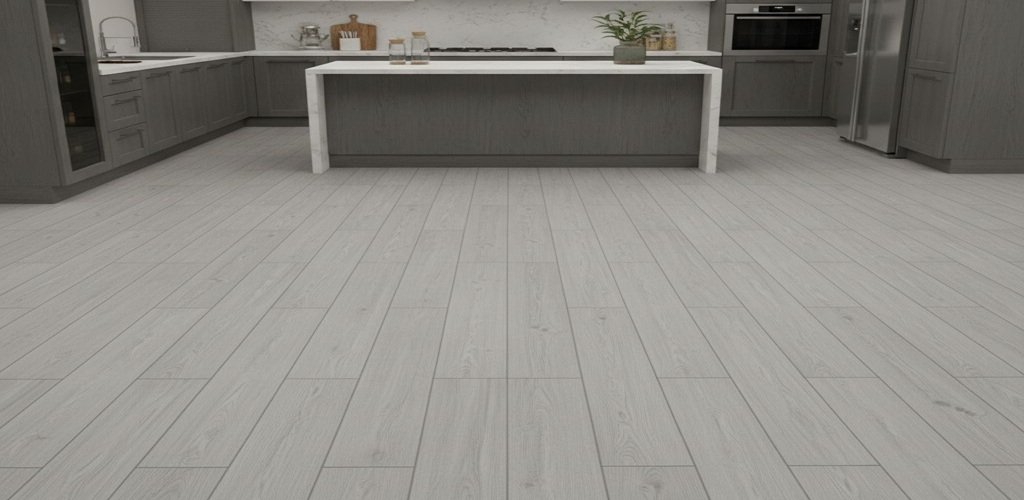
Aesthetic Appeal and Versatility
The aesthetic appeal of flooring plays a crucial role in defining the overall ambiance of a home. Both laminate and vinyl flooring present numerous styles, colors, and finishes, making them popular choices in interior design. Understanding the key differences in their aesthetics is essential for homeowners looking to achieve a specific design vision.
Laminate flooring is renowned for its ability to mimic the appearance of natural wood or stone with impressive accuracy. The advanced printing techniques used in laminate production allow for intricate designs and textures. This versatility enables homeowners to select from an array of styles, ranging from rustic oak to sleek modern gray tones, accommodating various tastes and interior themes.
On the other hand, vinyl flooring also offers a wide range of styles, including contemporary patterns and vibrant colors, appealing to those seeking a more modern or eclectic aesthetic. Vinyl can be designed to resemble not only wood and stone but also abstract patterns that can add an artistic flair to spaces such as kitchens or bathrooms. Furthermore, it demonstrates remarkable resilience against wear and tear, making it suitable for high-traffic areas.
When considering versatility, both flooring types shine in different aspects. Laminate, typically consisting of thicker planks, gives a more authentic feel underfoot, while vinyl’s flexibility allows it to be easily installed in a variety of shapes and surfaces. The choice between laminate and vinyl may ultimately depend on the desired aesthetic and the specific design motif of the home.
In terms of maintenance, both flooring options are easy to care for, although laminate is preferable in homes looking to replicate the charm of hardwood floors, while vinyl is ideal for those interested in bold, colorful designs. Overall, the aesthetic appeal of laminate and vinyl flooring depends on individual preferences, with both options presenting unique advantages that can enhance the interior decor of any space.
Cost-effectiveness and Installation
When comparing laminate flooring and vinyl flooring, cost-effectiveness plays a pivotal role in the decision-making process for homeowners and business owners alike. Both flooring options present a unique combination of initial purchasing costs and long-term maintenance expenses, making it essential to evaluate each type thoroughly.
Initially, laminate flooring tends to be more affordable than vinyl in terms of purchase price, with a range of options available to fit various budgets. However, the total expense for both types can increase based on additional factors such as underlayment requirements and labor costs associated with installation. Laminate flooring usually requires an underlayment to create a moisture barrier and provide cushioning, which adds to the overall expense. Vinyl flooring often comes with built-in backing, potentially eliminating the need for underlayment in residential installations.
In terms of installation, laminate flooring is often regarded as a simpler option for DIY enthusiasts due to its click-lock design, which allows for straightforward assembly without the need for adhesives. This feature can significantly reduce installation costs for those willing to tackle the project themselves. Conversely, vinyl flooring’s installation process may vary, particularly with glue-down and loose-lay options, which can require a more skilled approach and may not be as suitable for beginners.
Long-term maintenance costs should also be taken into account. Laminate flooring is somewhat prone to scratching and moisture damage, which could necessitate repairs or replacement over time. On the other hand, vinyl flooring is typically more resilient, making it less expensive to maintain in the long run. Durability and maintenance should therefore be considered alongside initial installation costs and efforts.
In essence, while laminate flooring can be more affordable upfront, vinyl flooring offers greater durability and potentially lower maintenance expenses over time, influencing overall cost-effectiveness. The installation process for both options presents various levels of complexity, making it essential for prospective buyers to assess their capabilities and preferences before proceeding.